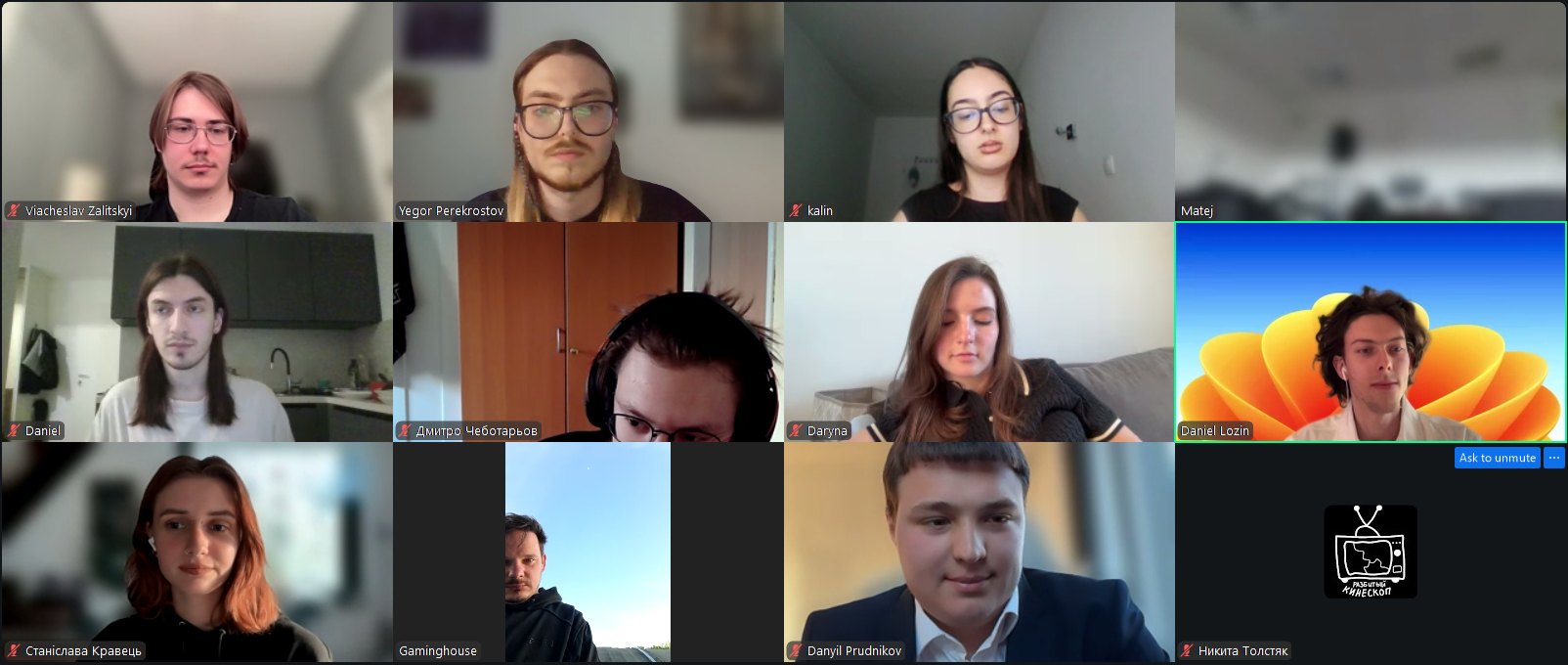
On 23 April 2026 gamingHOUSE ran its TRUTH4YOUTH Exchange of Views session, the Slovenian part of work package 2. The format brings four groups into one room on purpose: young people themselves, plus someone from academia, someone from civil society, and where possible someone from public authorities or the media. The idea is that young people should not have to discuss their own digital lives without the people who shape them in earshot.
Alongside the discussion we collected a baseline survey, and the twelve responses from Slovenia are worth reading carefully.
Most respondents rated their own digital skills at four or five out of five. Their confidence in telling reliable information from unreliable was noticeably lower. Only three of the twelve had ever received any media or digital literacy training at all. Nearly everyone recognised deepfakes and emotional manipulation as tactics, which suggests the vocabulary has arrived even where the training has not.
The most common reason given for not checking a claim before sharing it was simply not having the time. Not disinterest, not inability. Time.
Asked what the biggest challenge online is, one anonymous respondent wrote: “Distinction between human and AI generated content.” Another asked for nothing more elaborate than a verified source next to a claim, noting that a single line from a source you trust changes how you read everything around it.
When asked whether their voice matters in civic debate, the answers skewed low. That is the gap TRUTH4YOUTH is built to close, and it is why the project pairs fact-checking skills with civic participation rather than treating them as separate subjects.
These twelve responses join the other partner countries in the project dialogue report, which shapes the training design for the work that follows.